
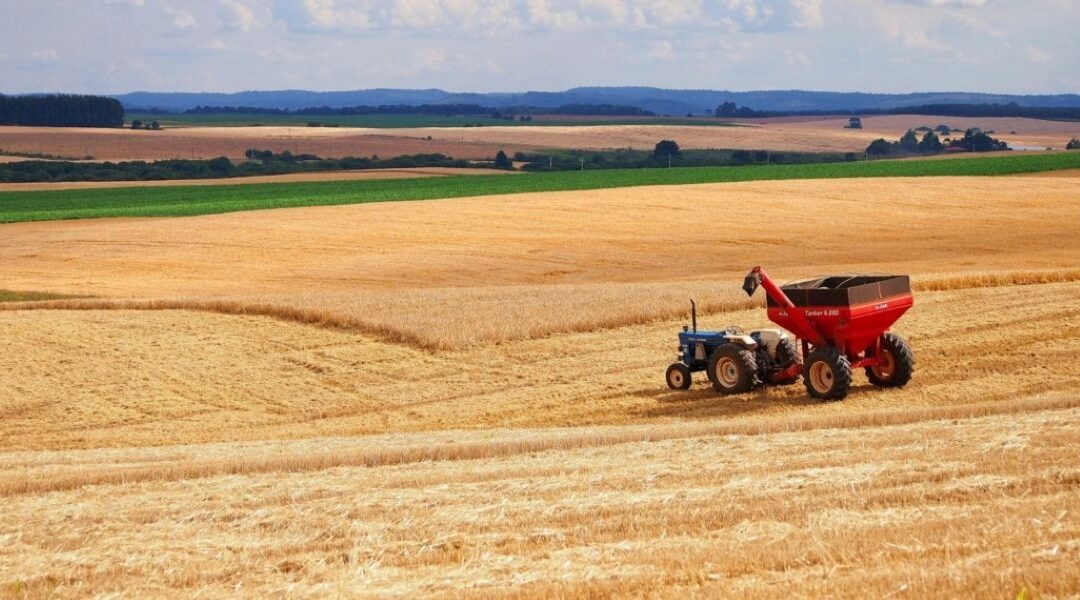
Soaring input costs threaten South Africa’s temporary food price relief. Photo: Pexels
While the Reserve Bank held interest rates at 7%, South African farmers face severe operational strain from expensive diesel, high debt, and rising input costs
By Lisakanya Venna
South African households have gained temporary breathing room as annual food inflation slowed to 1.6% in June, down from 1.9% in May. However, agricultural experts and local farmers warn that this relief could be short-lived as soaring fuel prices and high borrowing costs put severe pressure on food production.
Overall inflation rose to 5.0%, pushed higher by steep diesel and transport hikes. While the Reserve Bank kept interest rates unchanged at 7% to avoid squeezing consumers further, the combination of high debt and expensive fuel is hitting farmers hard at the farm-gate.
Interest rate pressure remains
Economists at First National Bank (FNB), including Mamello Matikinca-Ngwenya, Siphamandla Mkhwanazi, Thanda Sithole, and Ame Muller, noted that while the central bank paused its rate hikes, the broader fight against inflation is far from over.
“Although the tightening cycle may have paused, the bank remains firmly focused on restoring inflation to its 3% objective and is not yet prepared to signal an imminent easing cycle,” the FNB economic team stated.
They highlighted that the economy is caught between slowing domestic growth and persistent global energy risks.
“The escalation of geopolitical tensions in the Middle East has renewed pressure on global energy markets, with oil prices rebounding sharply,” they explained, adding that domestic inflation risks remain tilted to the upside due to elevated fuel prices and rising inflation expectations.
High debt and rising input costs hit yields
Beyond the broader economic forecasts, these macroeconomic pressures are hitting the agricultural sector directly. Senior economist Thabile Nkunjana noted that the agricultural sector is continuously squeezed by these macroeconomic problems.
“High interest rates indicate issues with your company’s service debt,” Nkunjana said.
He explained that when faced with high interest rates and expensive inputs, farmers often try to cut costs by using less fertiliser, which directly threatens crop yields.
“However, this can have disastrous effects on yields, which could result in lower yields as farmers restrict the amount of fertiliser they apply or completely switch from crops like maize, which are essential to the production of livestock and a staple product in South Africa, to crops that require less fertiliser,” Nkunjana warned.
Smallholders caught in an operational squeeze
For smaller operations, those long-term fears are already playing out in daily survival. Mpumalanga mixed farmer Venessa Simelane highlighted how relentless fuel and feed price hikes are squeezing routine farming operations to their limits.
“The rising cost of fuel is putting significant pressure on our farming operation. Fuel affects almost every aspect of production, from transporting day-old chicks and feed to delivering finished birds to customers,” Simelane said.
She added that input suppliers pass their own transport increases down to farmers through higher feed and medicine prices.
“Since feed is one of our biggest production costs, any increase has a direct impact on our profitability. For small-scale farmers like us, these higher costs make it difficult to plan for expansion,” she explained.
Simelane warned that operational limits are being reached across the sector.
“If fuel, feed, fertiliser, and other inputs continue to become more expensive, consumers are likely to see higher food prices over time. At the same time, farmers are caught in a difficult position: if prices increase too much, consumers may buy less, but if farmers keep prices too low, many operations become financially unsustainable,” Simelane said.
This operational squeeze isn’t just affecting livestock and mixed farming; it threatens the entire crop supply chain. KwaZulu-Natal poultry farmer Aphola Mbotshwa noted that even outside of poultry, rising input costs across crop production will inevitably hit consumers at the checkout counter.
“With the rise of inflation and input costs, farmers who plant will purchase fewer inputs like seeds, fertilisers, and insecticides.” – KZN farmer Aphola Mbotshwa
“That means they won’t meet consumer demand, which drives up the price of goods. Even if farmers pay out of pocket to maintain their yields, they still have to recover those costs by raising prices.
Mbotshwa warned that while agriculture may cushion the blow initially, consumers cannot remain insulated for long.
“In the short term, farmers will absorb these high costs, but in the long term, consumers will have to share the burden. No one is willing to run at a loss for extended periods; it leads to business failure. Sooner or later, food prices will skyrocket,” he added.
Source: Food For Mzansi
